
Guides to Halal Certification and JAKIM Recognition
Explainers on how JAKIM recognises international halal certification bodies, how to verify a halal certificate, and what recognition means for the global halal trade.
-
 Cost of JAKIM Halal Recognition
What it costs a certification body to obtain and hold JAKIM recognition: why there is no single fixed fee, and the real cost drivers behind the budget.
-
 Global Halal Standards Explained
A neutral guide to the main halal standards a certification body can work to: MS 1500, GSO 2055, OIC/SMIIC 1 and 2, UAE.S 2055 and HAS 23000.
-
 Halal Accreditation Bodies Explained
What halal accreditation bodies do, the standards they use such as ISO/IEC 17065 and OIC/SMIIC 2, and how EIAC, HAK, GAC and IHAF fit together.
-
 Halal Certification for Cosmetics Exporters
What halal certification means for a cosmetics brand: the MS 2200 standard, the animal-derived ingredients that fail it, and the audit behind the certificate.
-
 Halal Certification for Export: A Guide
Which export markets require halal certification, what each authority accepts, and how to choose a certification body your buyers will recognise.
-
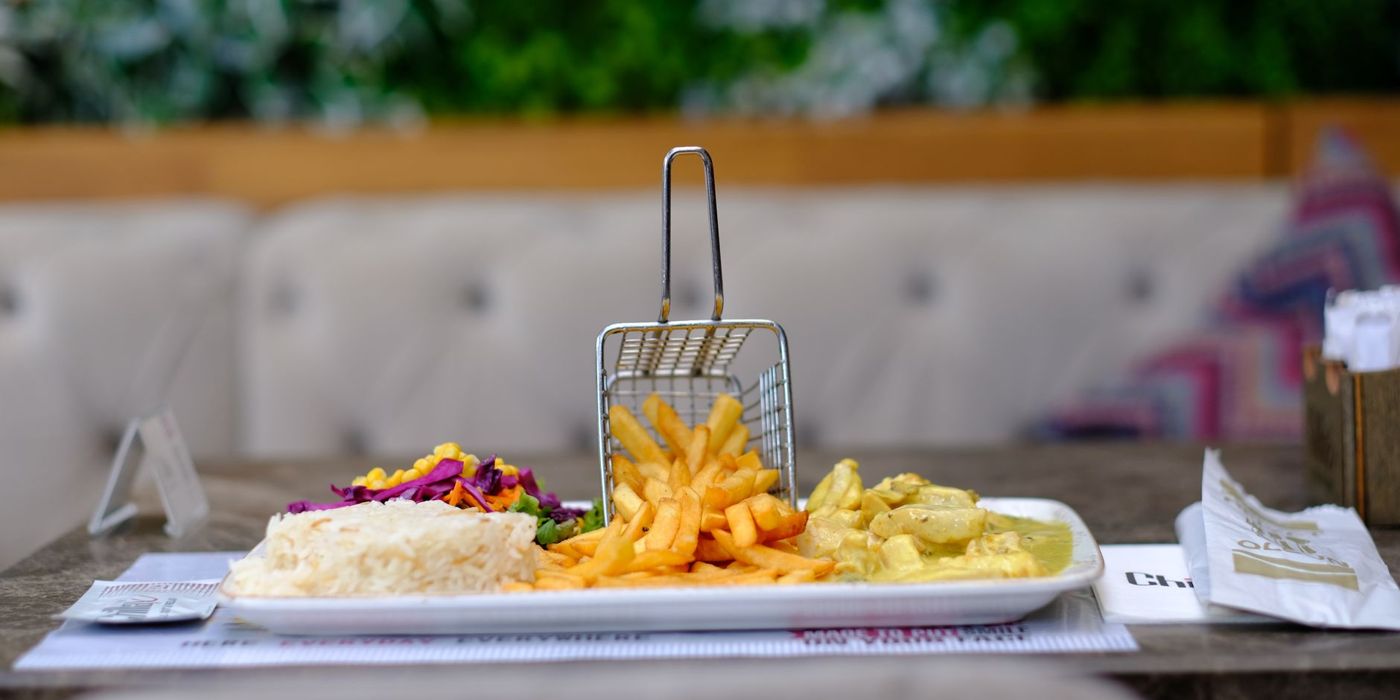 Halal Certification for Food and Beverage
How a food and beverage manufacturer earns halal certification through a JAKIM-recognised body for the Malaysian market: MS 1500, audit, and labelling.
-
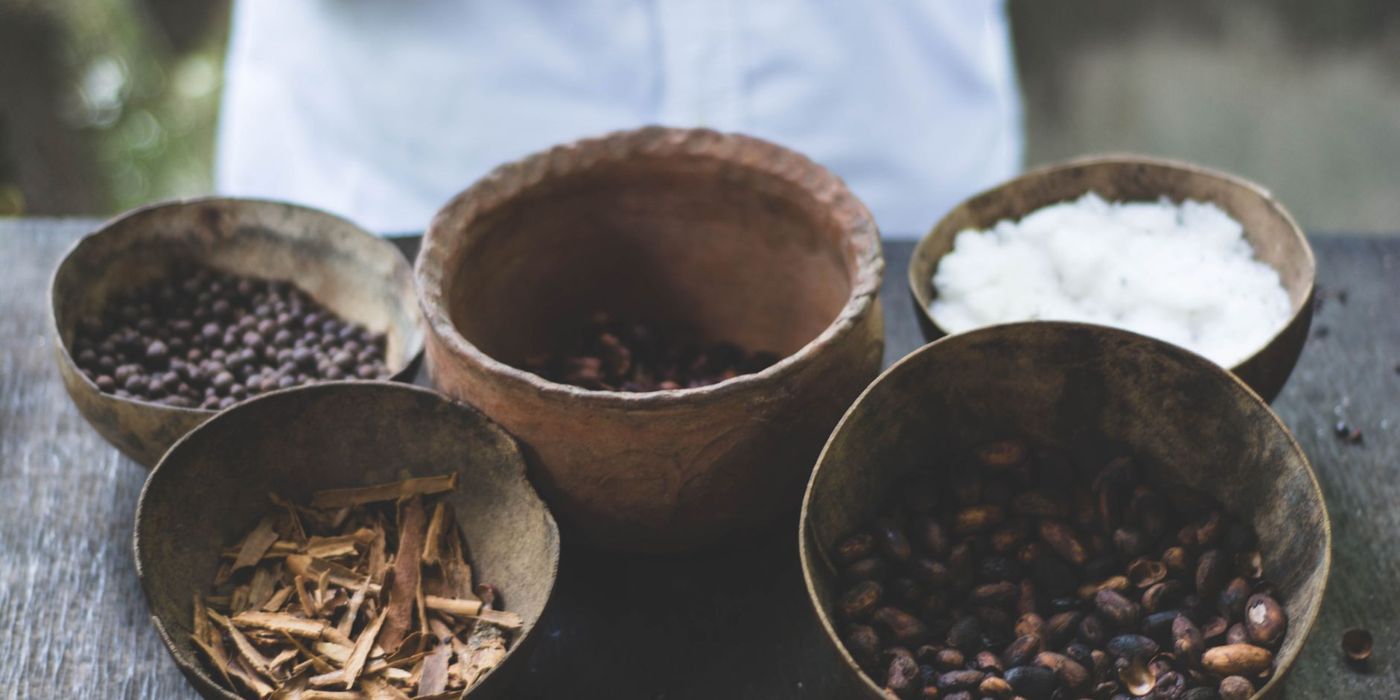 Halal Certification for Ingredients
How an ingredient or raw-material supplier earns halal certification through a JAKIM-recognised body, and why it underpins finished-product certification.
-
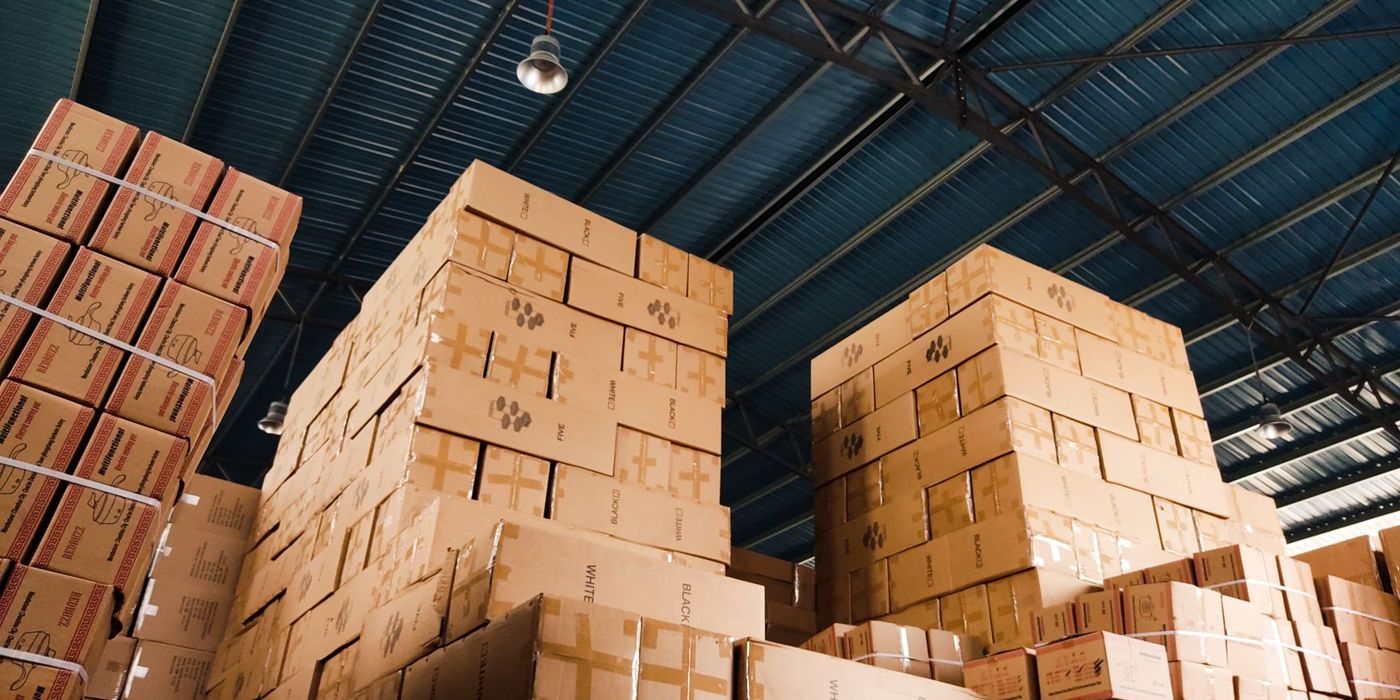 Halal Certification for Logistics
How a logistics, warehousing, or transport operator earns halal certification under Malaysia's MS 2400 supply chain standard through a JAKIM-recognised body.
-
 Meat Export to Malaysia: Halal Certification
How a meat or poultry producer gets halal certification for export to Malaysia: a JAKIM-recognised body plus joint JAKIM and DVS plant approval under MS 1500.
-
 Halal Certification for Pharmaceuticals
How a drug or supplement maker earns halal certification under MS 2424 through a JAKIM-recognised body, covering gelatin capsules, excipients, and APIs.
-
 How to Become a JAKIM-Recognised Body
How an international halal certification body earns JAKIM recognition: eligibility, requirements, the audit, the two-year appointment, and ongoing duties.
-
 How to Check if a Body Is JAKIM Recognised
Check whether a halal certification body holds JAKIM recognition using this directory, JAKIM's official Halal Malaysia portal, and the two-year validity rule.
-
 How to Choose a Halal Certification Body
A B2B selection guide for manufacturers and exporters: match a halal certification body to your target markets, product scope, accreditation, and cost.
-
 How to Spot a Fake Halal Certificate
The red flags that mark a halal certificate as fake: no certificate number, an unlisted certifier, expired dates, cloned logos and scope mismatches.
-
 How to Maintain JAKIM Recognition
What a recognised halal certification body must do to keep its JAKIM recognition: the two-year term, annual and six-monthly reports, and the renewal audit.
-
 How to Verify a Halal Certificate
Four steps to verify a halal certificate: confirm the issuer is recognised, check the certificate details, and use official JAKIM tools.
-
 JAKIM Recognition Requirements
The eligibility criteria a halal certification body must meet to qualify for JAKIM recognition: legal registration, Shariah expertise and MS 1500 compliance.
-
 JAKIM vs MUIS vs BPJPH
How Malaysia's JAKIM, Singapore's MUIS, and Indonesia's BPJPH compare as national halal authorities, and how each recognises certification bodies based abroad.
-
 Mutual Recognition in Halal Certification
How halal authorities recognise each other's certification bodies, from JAKIM's list and MUIS to bilateral MRAs, IHAF, and SMIIC standards harmonisation.
-
 How JAKIM's Recognition List Changes
How JAKIM's recognised-body list changes over time: how a body is added by appointment, kept by renewal, and removed by withdrawal or a lapsed two-year term.
-
 Recognition vs Accreditation: Halal Certifiers
How recognition by authorities such as JAKIM differs from accreditation to ISO/IEC 17065 or OIC/SMIIC 2, and why serious certifiers hold both.
-
 The JAKIM Recognition Audit Process
How JAKIM assesses a certification body for recognition: the document review, the on-site inspection audit of the office and a plant, then the committee call.
-
 How to Use the Verify Halal App
How to install and use the Verify Halal app by Serunai Commerce to scan barcodes, QR codes and logos against JAKIM halal certification data.
-
 What Is a Halal Certification Body?
A plain definition of a halal certification body: what it audits and certifies, the private and national types, and how recognition gives certificates weight.
-
 What Is Halal Certification?
How halal certification works as a system: the third-party attestation that a product meets a halal standard, who issues it, and how recognition makes it count.
-
 What Is MS 1500, the Malaysian Halal Standard
MS 1500:2019 is the Malaysian Standard for halal food that JAKIM certification is assessed against. What it is, who publishes it, and what it covers.
-
 What Is JAKIM Recognition?
How JAKIM recognition of international halal certification bodies works: the legal basis, the two year cycle, scopes and how to verify a body.
-
 What Is the Halal Logo?
What the halal logo is and how to read one: the elements of the official JAKIM Malaysia halal mark, the certificate number, and how certifier marks work.
-
 JAKIM Recognition and Importing to Malaysia
Why JAKIM recognition of the certification body decides whether your imported goods can be sold as halal in Malaysia, plus the extra DVS gate for meat.
-
 Withdrawn JAKIM Recognitions
Which halal certification bodies lost JAKIM recognition, when each withdrawal took effect, and how to confirm a body is still on the current list.