
Recognition vs Accreditation: Halal Certifiers
Published by HalalBoss, an independent register on 5 July 2026
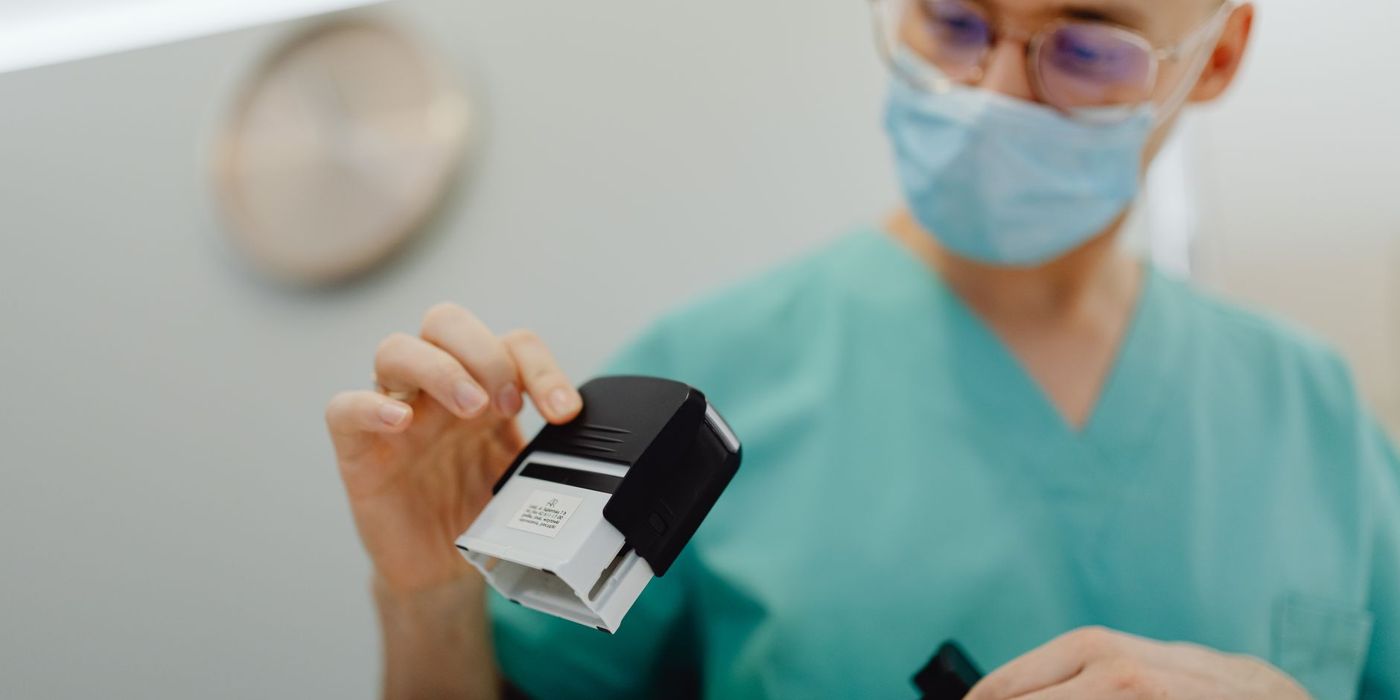
Recognition and accreditation are two different credentials. Recognition, granted by a destination market's halal authority, means that authority accepts a body's certificates for goods entering its market. Accreditation, granted by an accreditation body, attests that the certifier operates competently and impartially against a published standard. One is about market access, the other about technical competence.
Recognition and accreditation are two different credentials a halal certification body can hold, and they are not interchangeable. Recognition is granted by the halal authority of a destination market and means that authority accepts the body’s certificates for goods entering that market. Accreditation is granted by an accreditation body and attests that the certifier operates competently and impartially against a published conformity assessment standard. One is about market access, the other about technical competence, and a certifier that markets itself on either credential alone is telling you half the story.
The distinction matters because the two words are used loosely across the halal industry, sometimes on certifiers’ own websites. This guide defines each credential, sets them side by side, and shows how they combine in the schemes exporters actually deal with.
What recognition means
Recognition is a decision by a market’s halal authority to accept certificates from a named certification body. It is granted per body and usually per scope, it is recorded on a list the authority publishes, and it can be withdrawn when the authority revises that list. Its force is regulatory: where a market controls the word halal by law, a certificate from an unlisted body simply does not count at the border.
JAKIM’s scheme is the clearest example. Under Malaysian trade descriptions law, imported goods may only be described as halal if certified by a body JAKIM has recognised, and JAKIM publishes the current list of those bodies. Our guide on what JAKIM recognition means covers the application, the audit, and the two year cycle in detail. Other authorities run parallel schemes on their own statutory footing: MUIS, Singapore’s Islamic religious council, recognises the certification bodies whose certificates can back halal claims on imports; BPJPH, Indonesia’s government halal agency, accepts overseas certificates through mutual recognition arrangements; and the Saudi Food and Drug Authority directs importers to bodies recognised by its Halal Center. Each keeps its own list, and none of these lists transfers to another market.
What accreditation means
Accreditation is an attestation, by an accreditation body, that a certification body is competent, consistent, and impartial. The baseline document is ISO/IEC 17065, the international standard of requirements for bodies certifying products, processes, and services, which is written to be used as criteria for accreditation. Halal schemes add a religious and technical layer on top: the GCC states apply GSO 2055-2, the Gulf standard of requirements for halal certification bodies, while the Standards and Metrology Institute for Islamic Countries publishes OIC/SMIIC 2, a halal certification requirements standard built largely on the provisions of ISO/IEC 17065 and ISO/IEC 17021-1.
The accreditors are national bodies. The Emirates International Accreditation Centre (EIAC) accredits the certification bodies serving the UAE’s MOIAT halal programme. The Halal Accreditation Agency (HAK), under Turkey’s Ministry of Trade, accredits against the OIC/SMIIC standards and issued the world’s first OIC/SMIIC 2 accreditation in 2019. Many of these accreditation bodies coordinate through the International Halal Accreditation Forum (IHAF), a Dubai based network founded in 2016 to align halal accreditation criteria across its member countries. Accreditation is renewable and revocable, like recognition, but the assessor is a conformity assessment specialist rather than a market authority.
The difference at a glance
| Question | Recognition | Accreditation |
|---|---|---|
| Who grants it | The halal authority of a destination market, such as JAKIM, MUIS, BPJPH, or the SFDA | An accreditation body, such as EIAC or HAK, often an IHAF member |
| What it attests | The authority accepts the body’s certificates for its market | The body is competent and impartial against a published standard |
| Reference documents | The authority’s own requirements and procedures | ISO/IEC 17065, with halal layers such as GSO 2055-2 and OIC/SMIIC 2 |
| Legal effect | Market access; certificates from unlisted bodies are refused where halal is regulated | None by itself; it supports recognition decisions and buyer confidence |
| How it ends | Removal from the authority’s list when the list is revised | Suspension or withdrawal by the accreditation body |
Read the rows together and the pattern is simple: recognition answers “will this certificate be accepted there”, accreditation answers “is this certifier any good”. A rigorous certifier can lack recognition in your target market, and a recognised certifier holds its status only as long as the authority’s list says so.
How recognition and accreditation work together
In practice the two credentials interlock. Several authorities build accreditation into their recognition schemes: in the Gulf, certification bodies are assessed against ISO/IEC 17065 and GSO 2055-2 as part of qualifying to serve those markets, and in the UAE the EIAC accreditation sits inside the MOIAT programme. JAKIM runs its own end to end assessment instead, with its own application, audit, and renewal cycle, so a body can hold JAKIM recognition without an ISO/IEC 17065 accreditation, and vice versa. Bodies that operate globally tend to collect both kinds of credential, because each unlocks something the other cannot.
For an exporter, the order of checking follows from that. Start with recognition, because it is the binding constraint: confirm the body appears on the list of every authority in your target markets. Then use accreditation as the quality filter among recognised bodies, since it shows an independent conformity assessment specialist has examined the certifier’s competence and impartiality on an ongoing basis. Our guide to halal certification for export walks through that selection process step by step.
Where to verify each credential
Both credentials are verifiable from primary sources, and neither should be taken from a certifier’s marketing page. For recognition, go to the authority’s own published list; for JAKIM, every body in this directory holds current recognition, and you can browse the recognised bodies by country to confirm an entry and its scopes. For accreditation, check the accreditation body’s public register, and confirm the scope of the accreditation matches the certification you are buying. If a certificate itself is in front of you, our guide on how to verify a halal certificate covers the checks that follow.
Sources
- ISO/IEC 17065:2012, requirements for bodies certifying products, processes and services
- OIC/SMIIC 2:2019, requirements for bodies providing halal certification (SMIIC)
- International Halal Accreditation Forum (IHAF)
- Halal Accreditation Agency (HAK), Turkey: OIC/SMIIC based halal accreditation
- American Halal Foundation on its EIAC accreditation under the UAE MOIAT scheme
- Halal Malaysia Portal (JAKIM): Recognised Certification Bodies
Verified 2026-07-05