
JAKIM Recognition and Importing to Malaysia
Published by HalalBoss, an independent register on 6 July 2026
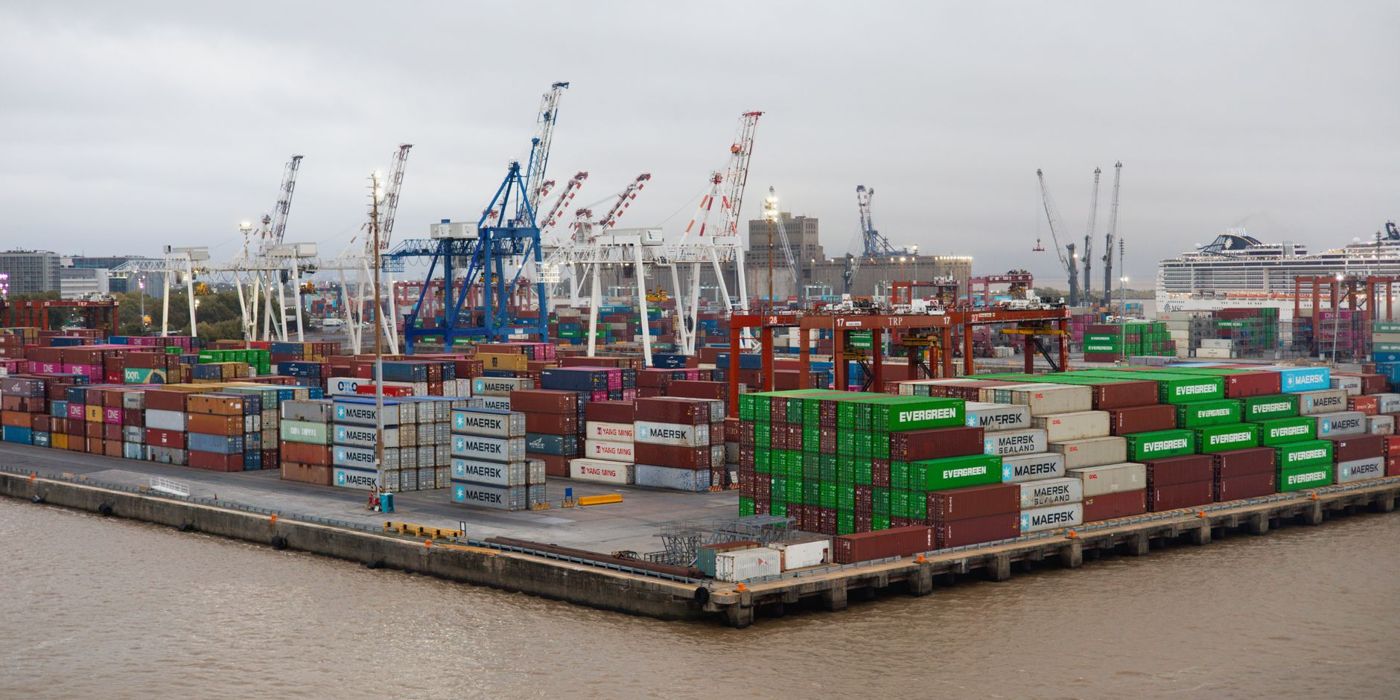
To bring goods into Malaysia and describe them as halal, the certificate must come from a certification body JAKIM recognises. For meat and poultry there is a second gate: the plant must be approved by both JAKIM and the Department of Veterinary Services (DVS), under MS 1500. For an importer or brand owner, confirming the certifier sits on JAKIM's recognition list is the first check to run before sourcing.
If you import food, ingredients, or animal products into Malaysia and plan to sell them as halal, the single fact that decides whether you can is whether JAKIM recognises the certification body that issued the certificate. This is a sourcing decision, not a marketing one, and it belongs at the top of your supplier checklist. A certificate that is perfectly valid in the country of origin carries no weight at the Malaysian border if the issuing body is not on JAKIM’s recognition list. For an importer or brand owner, that one check protects the whole shipment.
Why recognition of the certifier is the gate
Malaysia does not read a supplier’s halal certificate on its own terms. It reads the certifier. Under the Trade Descriptions (Certification and Marking of Halal) Order 2011, made under the Trade Descriptions Act 2011, imported food and goods may not be described as halal unless they are certified by a certification body JAKIM recognises and marked with that body’s halal logo. JAKIM is the federal competent authority for the halal description in Malaysia, and it publishes a list of recognised certification bodies covering many countries. If your supplier’s certifier is on that list, the certificate qualifies. If it is not, the goods cannot legally carry a halal claim, whatever the label says at origin.
This is why recognition matters more to the importer than any feature of the product. You are not asking whether the food is halal in the abstract. You are asking whether the specific body that signed the certificate is one Malaysia accepts. That question has a yes or no answer you can verify before you place an order.
The extra gate for meat and poultry
Meat and poultry sit under a stricter regime than packaged goods. A recognised halal certificate is necessary but not sufficient. The slaughterhouse and processing plant must also be inspected and approved by two Malaysian authorities working together: JAKIM assesses the halal aspect, and the Department of Veterinary Services (DVS) assesses animal health and food safety. Only when both departments approve is the establishment added to Malaysia’s list of approved plants, and only then does the halal certificate become valid for import.
The plant must comply with the Malaysian Protocol for Halal Meat and Poultry Productions and with MS 1500. Applications for abattoir approval run through JAKIM’s online system, the JAKIM International Abattoir Application System (JIAAS), with an adequacy audit of documents followed by on-site inspection. For an importer sourcing beef, poultry, or processed meat, this means two boxes must be ticked before goods move: the certifier is JAKIM-recognised, and the specific plant appears on the approved plants list. Sourcing from a plant that holds one but not the other leaves the shipment exposed.
What this means when you source
The practical takeaway for a brand owner is to reverse the usual order of questions. Before you evaluate price, volume, or lead time, confirm the certifier. Pull JAKIM’s recognition list and find the body named on your supplier’s certificate. Confirm the scope on the certificate matches your product category, since recognition can be granted for specific scopes such as food and beverages. For meat and poultry, separately confirm the plant is on Malaysia’s approved list, because certifier recognition and plant approval are two different clearances.
| Product type | What the importer must confirm |
|---|---|
| Packaged food, beverages, ingredients | Certificate issued by a JAKIM-recognised certification body, marked with that body’s halal logo |
| Meat and poultry | JAKIM-recognised certificate plus the slaughterhouse and plant approved by both JAKIM and DVS on the approved plants list |
| Any product carrying a halal claim | Compliance with MS 1500 and the Trade Descriptions Order 2011 marking rules |
Recognition status also changes over time. JAKIM has withdrawn recognition from bodies that fail audits or lapse on requirements, and a plant can drop off the approved list. Because your right to sell as halal depends on the certifier’s standing rather than the certificate’s printed expiry date, it is worth rechecking the current recognition status before large or repeat orders. A body recognised when you first sourced may not be recognised at your next shipment.
Put the check first, not last
Recognition of the certification body is the load-bearing requirement in every halal import into Malaysia, and for meat it is joined by the DVS and JAKIM plant approval. If you want to see how recognition is assessed in the first place, read what JAKIM recognition means, and to verify a specific certifier before you commit, follow how to check if a body is JAKIM-recognised. Exporters sourcing across several markets will also want the guide to halal certification for export, since the body you choose affects which markets accept your goods. Confirm the certifier first, confirm the plant for meat, and the rest of the import process rests on solid ground.
Sources
- ChemLinked: Must imported products in Malaysia be halal certified?
- ChemLinked: Steps to obtain halal certification in Malaysia for imported foods
- American Halal Foundation: Halal certification for exports to Malaysia (JAKIM)
- One Asia Lawyers: Legal framework for halal certification and production in Malaysia
- JAKIM recognised certification bodies list (portal PDF)
Verified 2026-07-06