
Halal Certification for Pharmaceuticals
Published by HalalBoss, an independent register on 6 July 2026
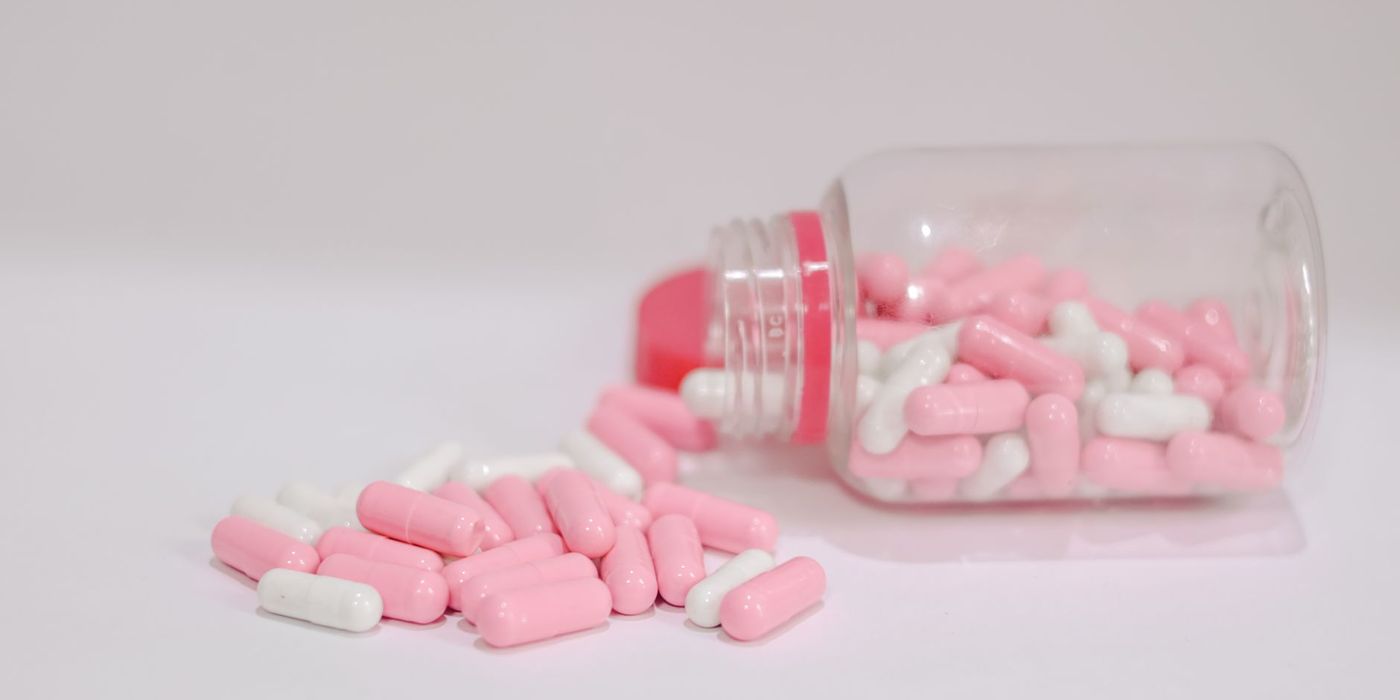
A drug or health-supplement maker earns halal certification when a JAKIM-recognised body audits its capsules, excipients, and active ingredients against MS 2424, Malaysia's halal pharmaceuticals standard, which the 2019 revision widened to cover vaccines. Gelatin capsules and fermentation-derived actives draw the closest scrutiny, and a documented Halal Assurance System is required before a certificate issues.
Selling a medicine or health supplement into Malaysia as halal means clearing a different bar from food or cosmetics. Drugs answer to their own Malaysian standard, MS 2424, and to an ingredient list where the riskiest items, gelatin capsule shells, fermentation-derived actives, and excipients like magnesium stearate, rarely announce their animal origin on the label. This guide covers the MS 2424 scope, the pharmaceutical inputs that stall an audit, the plant and marine substitutes manufacturers reach for, and how medical necessity shapes what certification can and cannot promise.
The MS 2424 standard, and the 2019 jump to vaccines
Malaysia measures halal medicines against MS 2424, a standard the Department of Standards Malaysia issued and JAKIM shaped alongside drug makers. Its first edition, MS 2424:2012 Halal Pharmaceuticals, General Guidelines, was rewritten as MS 2424:2019 Halal Pharmaceuticals, General Requirements, and that 2019 revision pushed the scope outward to take in vaccine products, an area food and cosmetics standards never touch. MS 2424 governs how a finished dosage form is sourced, made, packed, and stored, and it is the yardstick your auditor works from.
This is not MS 1500, the food standard, nor MS 2200, which sits over cosmetics. A drug company that also sells food or personal care runs those as separate certification files. For the food side, see what MS 1500 requires.
Ingredients that stall a pharmaceutical audit
An MS 2424 file lives or dies on where each input comes from. The standard rules out pig-derived matter, anything from an animal not slaughtered under Islamic rites, human-derived material, najis, and khamr-grade ethanol, the same prohibited classes that run across Malaysian halal standards. What makes pharmaceuticals harder is the sheer number of hidden animal-contact ingredients inside a single dosage form.
Gelatin leads the list. It forms the shell of hard and soft capsules and appears in some tablet coatings, and gelatin is usually bovine or porcine, so it passes only when it derives from a permitted animal slaughtered correctly, with paperwork tracing that origin. This is why so many makers move to plant-based hydroxypropyl methylcellulose (HPMC, or hypromellose) capsules cut from cellulose, or to marine-sourced gelatin, well before they file.
Below the capsule, the excipients carry their own risk. Magnesium stearate can come from animal fat or from vegetable oil; lactose is milk-derived and its processing history matters; glycerin splits between plant and tallow origins. The active pharmaceutical ingredient (API) itself is not exempt, especially fermentation-derived actives such as certain enzymes, hormones, and antibiotics, where the fermentation medium and any animal-based growth inputs come under review. Tablet coatings, capsule colourants, and solvent alcohol round out the list. None is banned outright, but each needs a certificate of analysis or a supplier’s halal certificate fixing its origin.
The recognised body, and the medical-necessity caveat
Certification does not come from JAKIM itself. A drug maker files with a certification body carrying JAKIM recognition for the pharmaceuticals scope, and that body’s certificate is what Malaysian importers and customs honour. Because recognition is issued scope by scope, a body cleared only for meat or processed food cannot sign off tablets, capsules, or supplements, so settle the scope match before anything else.
Browse the directory of recognised pharmaceuticals certifiers to see which bodies hold that scope in your country. For the generic mechanics every sector shares, the application, document review, on-site audit, and committee decision, follow how to become JAKIM-recognised and how to choose a halal certification body rather than repeating them here.
Pharmaceuticals carry one caveat food and cosmetics do not. Where a medically necessary drug has no halal-compliant substitute for a critical ingredient, Islamic legal reasoning on darurah, or necessity, can permit its use, which is why halal pharmaceutical certification is often framed as compliance where technically possible rather than an absolute. A certifier and its scholars weigh whether a compliant alternative genuinely exists before ruling an input out, and that judgement is part of what separates pharmaceutical certification from other sectors.
GMP, supplements, and keeping the certificate valid
Halal certification does not stand in for drug regulation. A Malaysian manufacturer still answers to Good Manufacturing Practice and product registration with the National Pharmaceutical Regulatory Agency; the halal file runs in parallel and leans on the same GMP records for traceability and segregation. Where MS 2424 goes further is the Halal Assurance System, a documented internal control that logs each process step, holds evidence of every material’s origin, and is signed off by authorised Muslim personnel, a layer ordinary GMP does not demand.
Nutraceuticals and health supplements, from vitamin softgels to probiotic capsules, fall under the same standard and the same capsule and excipient questions; softgel shells in particular are usually gelatin. Treat them as pharmaceutical files, not food ones.
Recognition can lapse or be withdrawn, so the certificate is only as durable as the body behind it. Swapping a gelatin supplier, reformulating around a new excipient, or shifting production to another site mid-cycle all have to be reported, since each can unsettle the halal basis the certificate stands on. Surveillance audits exist to catch the gap between the approved formulation and what actually ships. If your catalogue also spans food, cosmetics, or raw ingredients, our guide to halal certification for export maps how recognitions carry across markets.
Sources
- Standards Malaysia MS 2424:2012 Halal Pharmaceuticals, General Guidelines (archived full text)
- University of Cyberjaya: From Source to Solution, the Halal Pharmaceutical Journey in Malaysia
- American Halal Foundation: halal certification for pharmaceuticals and supplements
- Halal Certification Services: halal pharmaceuticals certification for ingredients and packaging
Verified 2026-07-06