
Halal Certification for Cosmetics Exporters
Published by HalalBoss, an independent register on 6 July 2026
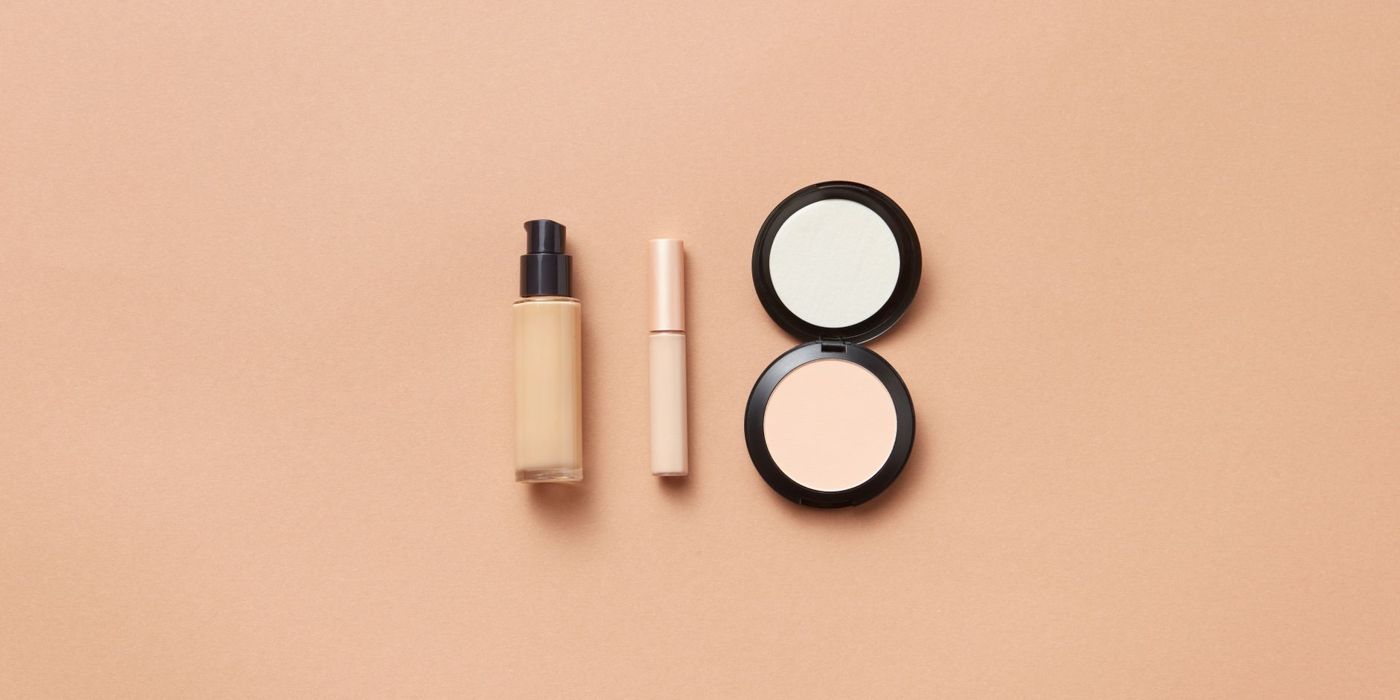
A cosmetics or personal-care brand becomes halal-certified when a body holding JAKIM recognition for the cosmetics scope checks its formulation against MS 2200. That standard rejects pig-derived, non-slaughtered-animal, human-derived, and khamr-alcohol inputs, so ingredients like collagen, carmine, gelatine, glycerine, and stearate emulsifiers each need a documented halal source before the certificate is granted.
Selling a cream, serum, lipstick, or shampoo into Malaysia under a halal claim means working with a certifier that JAKIM recognises for the cosmetics and personal care scope. Cosmetics sit under their own Malaysian standard, MS 2200, and carry ingredient risks that food never faces: a single moisturiser can hide collagen, tallow-based glycerine, insect-derived colour, and denatured alcohol behind INCI names that reveal nothing about origin. This guide covers the standard, the animal and alcohol inputs that sink applications, how a cosmetics dossier differs from a food one, and where the recognised certifier fits.
MS 2200, the standard behind the claim
Malaysia measures halal cosmetics against MS 2200, issued by the Department of Standards Malaysia. The governing document is MS 2200-1:2008, Islamic Consumer Goods, Part 1: Cosmetic and Personal Care, General Guidelines. It covers how raw materials are sourced, how products are formulated, and how they are handled through manufacturing, storage, and packaging. A second document, Part 2, deals specifically with the use of animal bone, skin, and hair, which matters when an ingredient traces back to those tissues.
MS 2200 is separate from MS 1500, the food standard. A brand that also sells edible products runs two certification tracks, not one, and our guide to MS 1500 handles the food side.
The animal-derived inputs that fail an audit
The ingredient list decides a cosmetics application, and animal-derived material is where it usually stalls. MS 2200 rules out anything porcine, any tissue from an animal not slaughtered under halal conditions, human-derived material such as placenta extract, and impurities classed as najis. The trap is that dozens of routine cosmetic ingredients can be animal-sourced with no hint on the label.
Collagen, elastin, keratin, and silk protein turn up in anti-ageing and hair products and are frequently harvested from animal tissue. Gelatine binds some colour cosmetics and capsule-style beauty supplements. Carmine, the red pigment also listed as cochineal or CI 75470, is extracted from insects. Glycerine, stearic acid, the stearate emulsifiers, lanolin, squalene, and tallow-based surfactants each exist in both plant and animal versions. None is banned outright, but each animal-capable ingredient needs paperwork that pins its origin: a certificate of analysis, or a halal certificate from the supplier. Brands that map these risks against their formula and gather the documents first clear certification far quicker than those who meet a tallow-based emulsifier for the first time during the audit.
Alcohol, fragrance, and denatured ethanol
Alcohol is the second recurring problem, and it enters cosmetics through more doors than food. Toners, astringents, setting sprays, and many fragrances carry ethanol, often labelled alcohol denat, SD alcohol, or denatured alcohol. MS 2200 treats khamr-type ethanol as off-limits, so a certifier wants the alcohol’s source and grade before clearing it. Perfume compounds add a further wrinkle: a fragrance house may supply a scent as a single trade-secret blend, yet the audit still expects origin evidence for what sits inside it, which pushes the brand to press its fragrance supplier for a breakdown that food formulators rarely have to chase.
Leave-on and rinse-off are judged differently
How a product contacts the body shapes how strictly some inputs read. Leave-on items such as serums, moisturisers, foundation, and lip colour stay on skin and can be ingested in trace amounts, so their ingredients face the closest reading. Rinse-off items such as cleansers, shampoos, and shower gels clear within minutes, which shifts the risk picture for residues but not the sourcing rules: an animal-derived surfactant in a body wash still needs a halal source. Brands sometimes assume a rinse-off product earns a lighter audit. The sourcing bar does not move; only the exposure around it does.
Packaging counts as an ingredient
Packaging gets inspected, not waved through. Under MS 2200 the primary container and anything that touches the product, coatings, inks, adhesives, and lubricants, must be free of porcine and non-halal animal material, and gelatine-based or alcohol-based coatings draw scrutiny. A lipstick bullet or a cream jar that leaches a non-compliant coating can compromise an otherwise clean formula, so packaging specifications belong in the dossier next to the ingredient list.
How a cosmetics dossier differs from a food one
A cosmetics dossier does not read like a food one. Ingredients arrive under INCI names, the International Nomenclature of Cosmetic Ingredients, which describe chemistry rather than source, so glyceryl stearate or sodium tallowate gives no clue whether the fat behind it is palm or animal. The certifier reconciles each INCI entry to an actual raw material and its origin document. Colour indices, fragrance allergen lists, and preservative systems all carry their own sourcing questions. A food auditor traces a supplier chain of recognisable commodities; a cosmetics auditor first has to translate a chemical nomenclature back into what the material actually is.
The certifier you apply to, and the process
You never apply to JAKIM itself. The application goes to a certification body that JAKIM lists for the cosmetics and personal care scope, and its certificate is what Malaysian buyers and customs honour. Scope is decisive: a body approved only for meat or processed food cannot sign off a lipstick or a serum, so confirm the cosmetics scope before you start.
Start from the directory of recognised cosmetics certifiers to see who holds that scope in your country. The mechanics of applying, document review, on-site audit, corrective action, and the certification decision follow the same shape across sectors, so rather than repeat them here, read how to become JAKIM-recognised for the body’s side and how to choose a halal certification body for comparing certifiers on scope, accreditation, and standing.
Keeping recognition intact after you are certified
A cosmetics certificate is worth only as much as the recognition standing behind the issuing body, and that recognition can lapse. Reformulating a product, moving to a new ingredient supplier, or shifting manufacturing to another site all have to be reported during the certificate term, because any of them can unsettle the halal basis the certificate rests on. Surveillance audits exist precisely to catch the gap between the formula on file and what actually comes off the line.
Cosmetics are one slice of a broader export map. If you also ship food, supplements, or raw ingredients, the recognition and market-access rules shift by product and destination. Our guide to halal certification for export sets out which authorities demand certification, what each will accept, and how to choose a certifier whose recognitions carry across your markets.
Sources
- MS 2200-1:2008 Islamic Consumer Goods, Part 1: Cosmetic and Personal Care, General Guidelines (Standards Malaysia), full text
- Standards Map factsheet: MS 2200 Part 1, Cosmetic and Personal Care
- American Halal Foundation: halal certification requirements and process for cosmetics
- American Halal Foundation: halal certification requirements for packaging manufacturers
- IML Testing and Research: mandatory halal certification for cosmetic manufacturers
Verified 2026-07-06