
Halal Certification for Ingredients
Published by HalalBoss, an independent register on 6 July 2026
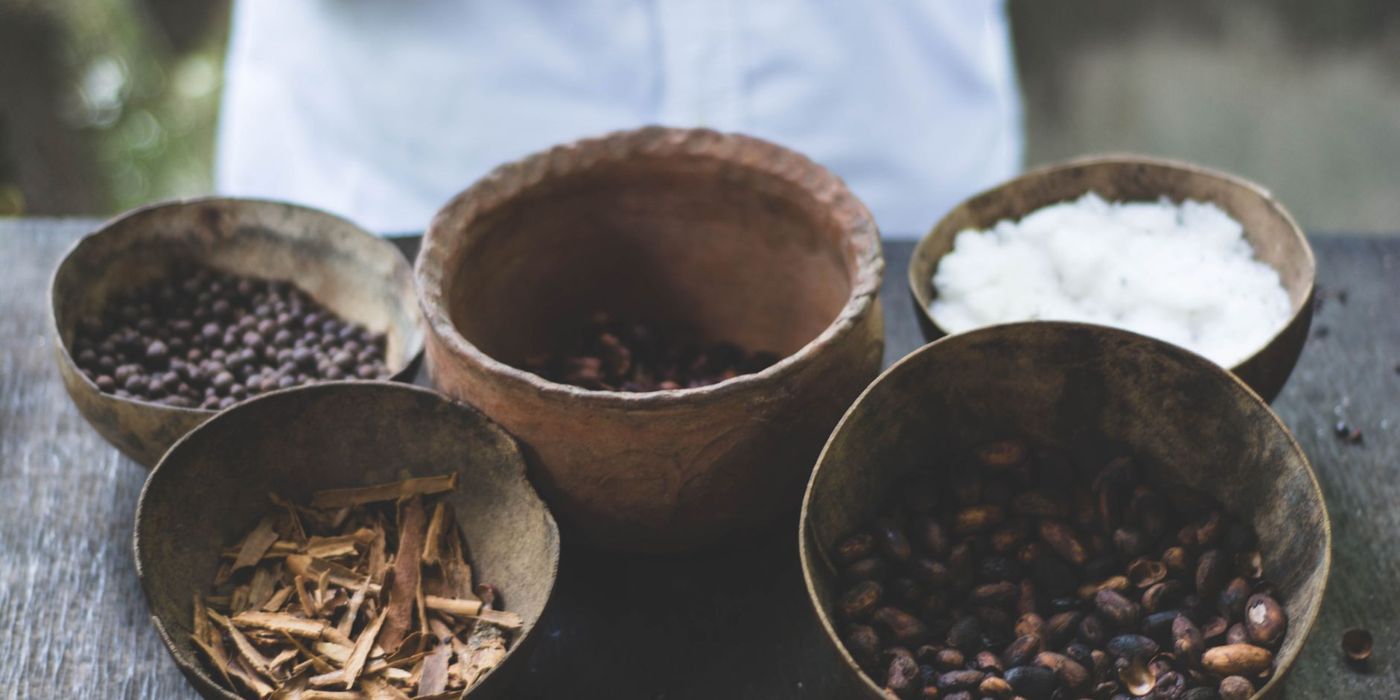
An ingredient or raw-material supplier earns halal certification by having each material assessed for its origin and processing, then audited against Malaysia's halal food standard, MS 1500:2019, through a body that JAKIM recognises. The certificate confirms that animal, microbial, and alcohol-related inputs are traceable and permissible, letting a manufacturer count that ingredient as an approved raw material.
An ingredient supplier sits one step upstream of every certified food, beverage, cosmetic, or pharmaceutical product. When a flavour house, an enzyme producer, a gelatin manufacturer, an emulsifier maker, or a culture supplier earns halal certification, it does more than label its own drums. It removes a documentation gap from every downstream manufacturer that buys the material. This guide walks a raw-material supplier through the process: the materials that draw scrutiny, the origin questions behind them, the documentation chain the audit expects, and the recognised body that issues the certificate. It is a process reference for suppliers, not a directory of ingredients.
Why ingredient certification is the backbone
Finished-product certification is built on ingredients. When a food and beverage manufacturer applies for a certificate, the audit requires a current halal certificate from a recognised body for every purchased raw material on the bill of materials. An ingredient without that certificate is a hole in the buyer’s application, and a hole is what stalls approval. A supplier that holds certification lets its customers specify the material in and move on. That is why suppliers of critical inputs certify ahead of demand: the certificate is a sales asset that lowers the cost of being designed into a certified product.
The materials that draw scrutiny
Certifiers focus on ingredients whose halal status is not obvious from the name, the group the trade calls critical or doubtful materials. The recurring categories are animal-derived and processing-aid inputs: gelatin, enzymes such as rennet, pepsin, and lipase, emulsifiers including mono- and diglycerides, lecithin, and related additives, flavourings and the carrier solvents that dilute them, colourings, and microbial cultures. The concern with each is origin. A material can trace back to an animal source, a microbial fermentation, or a process that uses alcohol, and the certificate turns on which one it is. Naming these categories is a documentation exercise, not a ruling: the certification body verifies the source rather than the supplier assuming an outcome.
Origin verification and the documentation chain
Verification is where certification is won or lost. For every material, the certification body works through a documentation chain: the bill of materials that lists each component, a certificate of analysis, a safety data sheet, and the product specification. For animal-derived inputs it expects records showing species, source, and method of processing, and for anything itself purchased it expects the sub-supplier’s own halal certificate from a recognised body. Traceability threads through the whole exercise, from the incoming raw material to the finished ingredient leaving the plant. Suppliers that keep supplier audits current, at least annually and again whenever a material, process, or ownership changes, assemble this chain quickly and shorten the audit.
What MS 1500 requires of a raw material
For the Malaysian market, the assessment is measured against MS 1500:2019, the Malaysian Standard for halal food. The standard requires that every ingredient be halal and safe, that halal and non-halal materials and lines stay segregated, and that raw-material suppliers be halal-approved. Animal-based imported materials must come from premises approved by the relevant authorities. A supplier reads MS 1500 as the yardstick its own inputs are checked against, so knowing the standard before the audit is the difference between one pass and a round of corrective actions. To see the standard in full, read what MS 1500 is.
Work with a recognised certification body
The certificate only carries weight if the body that issues it is recognised where the ingredient will be sold. For Malaysia that means a body on JAKIM’s recognition list, because a certificate from an unrecognised body can be turned away at import even when it is valid at home. The certification body assigns a technical reviewer, evaluates the material range, audits the facility for contamination controls and segregation, and issues the certificate once non-conformances are closed. Suppliers can compare recognised bodies operating in each market on the country pages before they apply.
From ingredient to finished product
The logic runs in one direction. A certified ingredient, backed by a documentation chain and issued by a recognised body, drops cleanly into a finished-product application, where it counts as an approved raw material rather than a risk to investigate. An uncertified ingredient forces the buyer to chase paperwork or find a substitute. Suppliers that understand this position their certificate as part of the customer’s supply chain, and manufacturers sourcing inputs can map the requirement onto their own dossier in halal certification for food and beverage and the wider trade picture in halal certification for export.